
About KAKEI
Who makes KAKEI chainsaw chains and guide bars, how the chain is made, and why the site is built around the bar stamp.
KAKEI grew out of a forest-tools factory, and the order of work there has not changed: steel first, heat second, edge last. This site is where we answer one question for American saw owners — which loop fits the bar in front of you.
- 53chain sizes carded
- 4cutter styles
- 3bar combos
- 1question: does it fit?
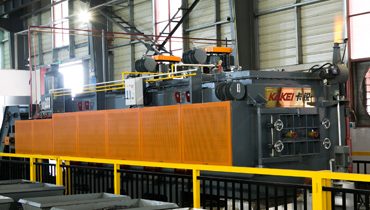 01
01Plate and punch
Side plates are blanked from German strip steel after controlled heating, so each one comes off the press flat and true.
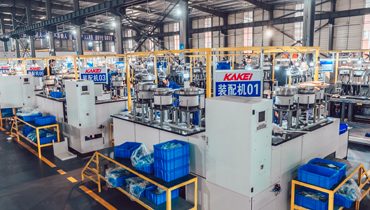 02
02Rivet and assemble
We harden and quench every rivet before a loop is built, then link it up on automated assembly lines.
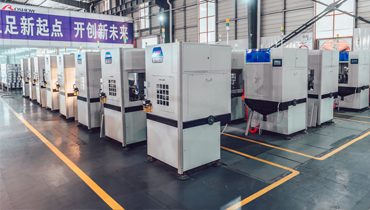 03
03Grind and plate
Cutters are cold-headed, ground on rotary machines and finished in hard industrial chrome.
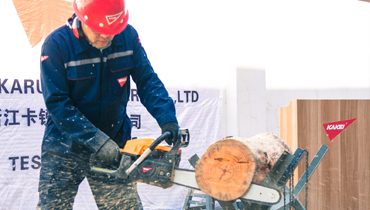 04
04Cut and card
Test loops go through logs on the bench; finished chains are oiled against rust and sealed on their cards.
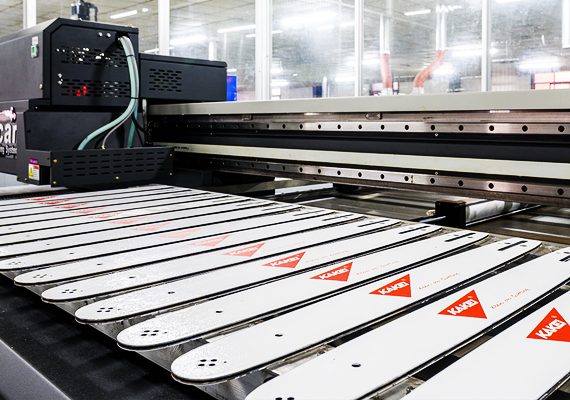
Why everything starts at the stamp
The stamp on a guide bar is the most reliable size chart ever printed, and almost nobody reads it. Most chains that come back as “wrong” were chosen by bar length alone. So every page here leads with pitch, gauge and drive links, and everything else follows.
US fitment desk: 1460 Timberline Drive, Suite 205, Asheville, NC 28806 · [email protected]